Snorkeling Nusa Lembongan: Top Tips for a Smooth Experience
If you are planning snorkeling from Nusa Lembongan for the first time, a little preparation makes everything easier. Conditions can change quickly, and the best day is the one that feels calm and well organised. In this guide, you will learn how to choose the right timing, understand sea conditions, and feel comfortable in the water so you can focus on the colour and movement beneath the surface.
Snorkeling trips are available both for guests already staying on Nusa Lembongan, as well as for visitors joining on a day trip from mainland Bali, with each experience adapted to the conditions and the group’s comfort level. You do not need to be an elite swimmer to enjoy it, but having a sensible plan, a flotation option you trust, and the confidence to skip a spot if the sea looks rough can make a big difference. Once these basics are covered, the experience can be relaxed, memorable, and surprisingly accessible.
Planning a Snorkeling Nusa Lembongan Session
Start by thinking about the sea, not the calendar. Calm mornings are common, while afternoons can bring wind chop. If you have flexibility, book for early in your trip so you can reschedule if conditions are not great. Ask the operator what they do when visibility drops or swell picks up, and whether they change locations or shorten the time in the water.
Tides matter too. In channel areas and around headlands, currents can build fast. A good guide will time entries and exits, and will brief you on what to do if you drift. If you are prone to motion sickness, avoid a heavy meal beforehand and bring the right medication. It is also smart to pack a light layer, because boat rides can feel cooler than the beach, even in Bali heat.
Finally, decide what "easy" means for you. Some people want to float with a noodle and look down. Others want longer swims. Tell your guide your comfort level before you get wet. That one conversation can turn the day from stressful to smooth.
What You Might See (and what affects it)
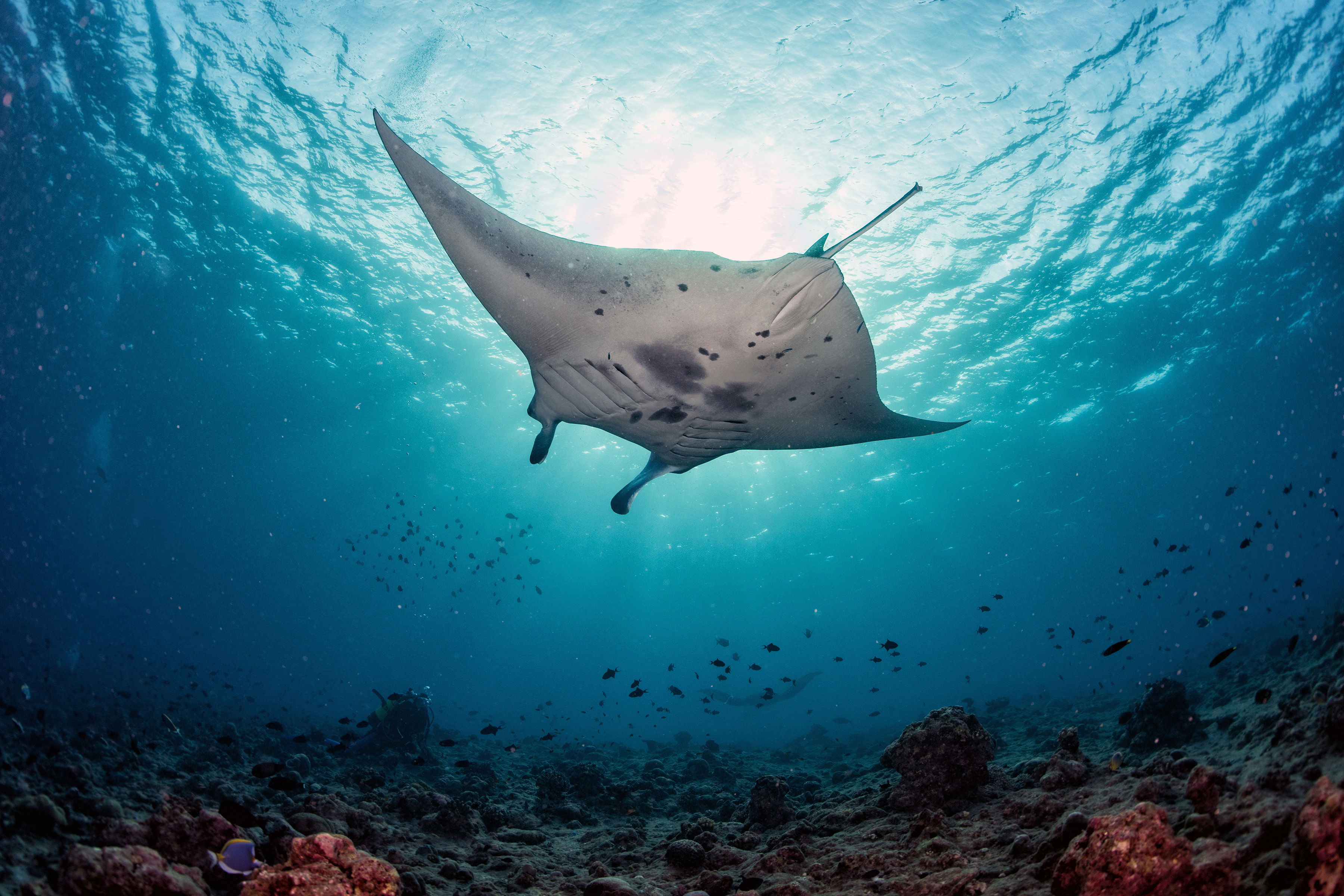
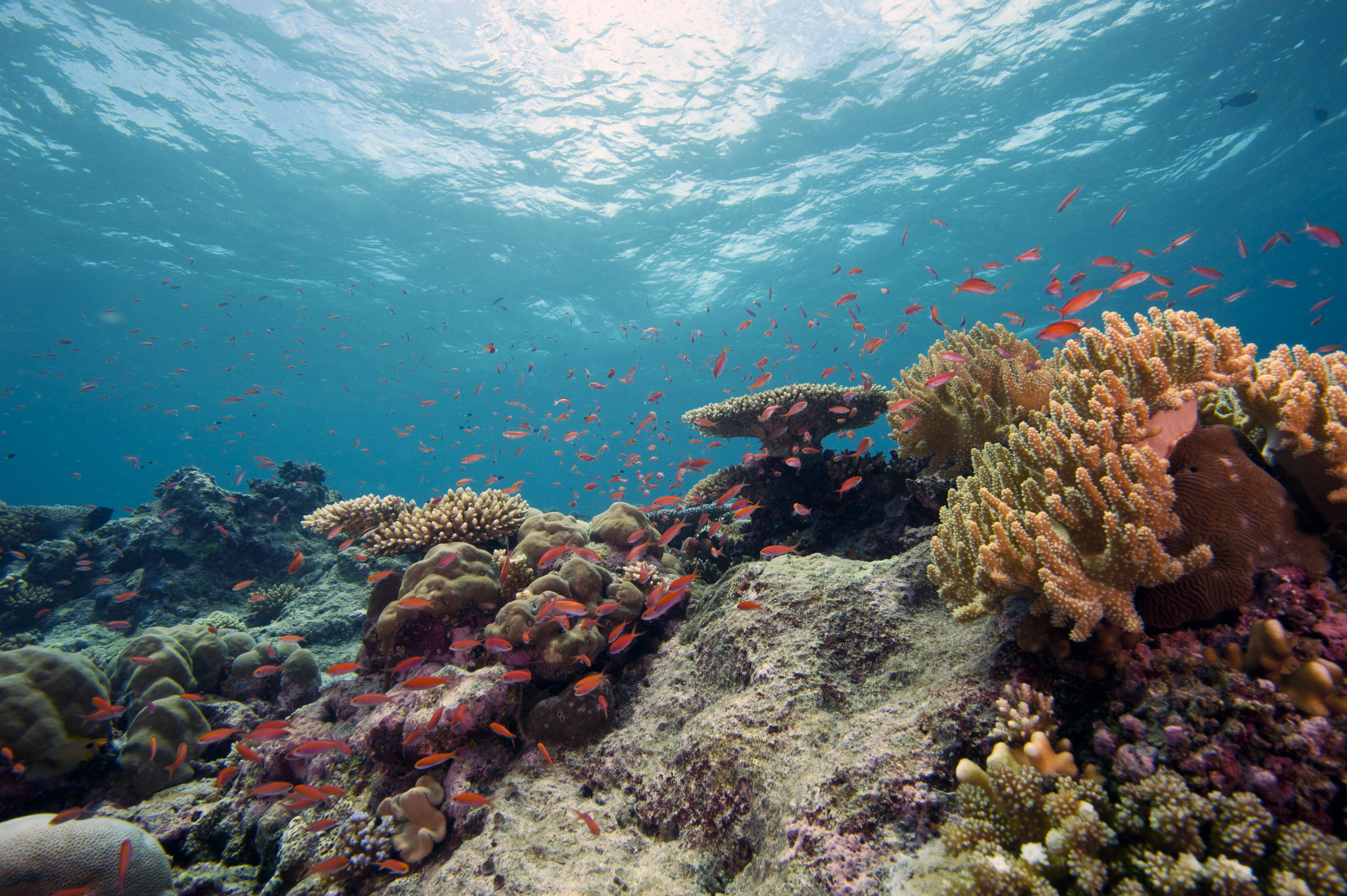
Nusa Lembongan is located close to deeper waters, which contributes to the variety of marine life found in the area. Based on daily conditions, guests may encounter coral gardens, reef fish, and occasionally turtles moving through the reef. On some days, swell or reduced visibility can soften the overall view. This is a natural part of snorkeling in this region and does not reflect the quality of the trip or the operator.
Visibility is generally best when the sea is calm. Rain alone does not always affect visibility, but changes in weather and water movement can influence clarity from day to day. From our experience operating snorkeling trips around Nusa Lembongan, conditions can vary even within the same morning, which is why site selection is adapted to the most protected areas available at the time.
Morning snorkeling sessions around Nusa Lembongan often offer calmer conditions and a more relaxed pace in the water, making them especially suitable for guests who prefer a gentler and more comfortable experience.
Manta ray sites are highly dependent on sea and weather conditions and are not accessible at all times. When conditions allow, routes may include areas known for manta sightings, but encounters can never be guaranteed and should be considered a possible bonus rather than an expectation.
Tours, boats and gear: what matters most
There are many ways operators describe the same experience, and the labels can be confusing. You might see lembongan snorkeling listed as a quick add-on, or as a full half-day on the water. Instead of focusing on the name, focus on safety, group size, and how much guidance you want.
Use these practical checks when comparing options:
- Choose a snorkeling tour Nusa Lembongan with a guide in the water if you want active support and calm coaching.
- If you prefer more time at each stop, ask whether the snorkeling trip Nusa Lembongan includes fewer locations with longer water time.
- If you want a simple swim with minimal travel, ask whether snorkeling in Nusa Lembongan is done close to the island or combined with a longer crossing.
- If a manta is your priority, check whether the package is essentially a manta ray tour Nusa Lembongan that heads toward known manta areas when conditions allow.
On gear, keep it simple. A well-fitting mask is the most important item. If you have a smaller face or struggle with leaks, consider bringing your own mask. Fins help with control and reduce fatigue, but you can still enjoy the water with a life jacket and a relaxed float. Bring reef-safe sunscreen, and reapply well before you jump in so it has time to absorb.
Safety, comfort and reef etiquette
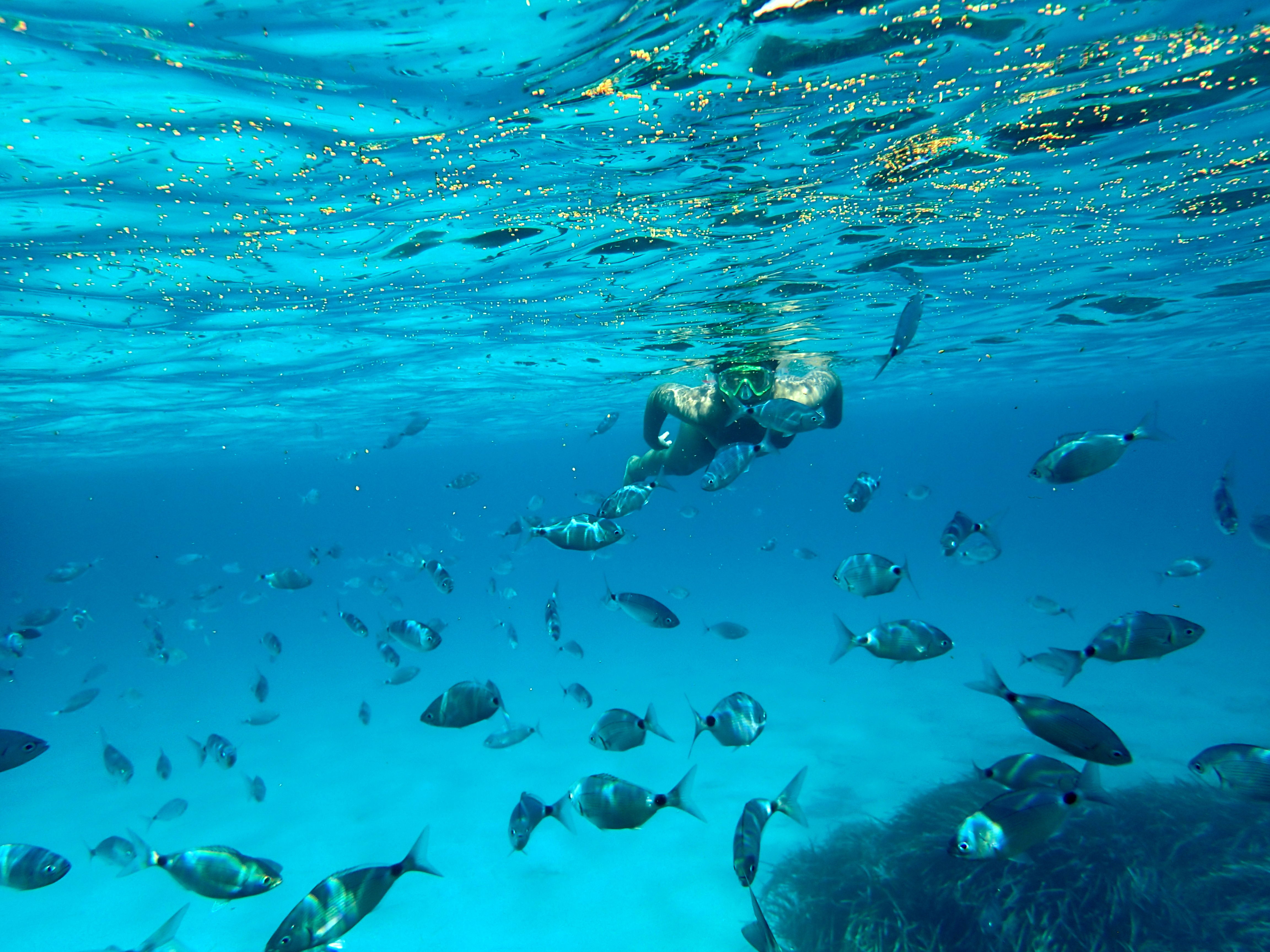
Most issues on the day come from people trying to do too much too fast. Ease in. Start with a relaxed float to get used to breathing through the snorkel. If you feel anxious, roll onto your back and signal your guide. Good operators expect this and handle it without judgement.
Currents are the key safety topic. On snorkeling Nusa Lembongan outings, currents can pull you away from the boat faster than you think. Stay close to the group, and do not fight the flow. If you drift, float calmly, keep your mask on, and signal with a raised arm. Your guide will track and collect the group.
Reef etiquette is simple but important. Do not stand on coral. Keep your fins up and your hands to yourself. Avoid chasing turtles or pushing toward wildlife for a photo. If you are using a camera, set it up before you enter the water so you are not fiddling while floating in a group.
Comfort matters too. Bring water and a small snack, and consider a rashie for sun protection. If you get cold easily, a light wetsuit top can help, especially after multiple swims.
Turn it into a full island day
If you are doing a Nusa Lembongan day trip, plan your land time around the water, not the other way around. Snorkel first, then reward yourself with an easy lunch and a slower afternoon. That order keeps you hydrated, avoids rushing back to the boat, and helps with motion sickness.
After your swim, keep things low-effort. Choose a viewpoint, a beach, or a short scooter loop if you are confident on the roads. If you are tired, do not force a packed itinerary. A shower, a cold drink, and a sunset watch can be the perfect finish to a saltwater morning.
If you want to extend the experience, consider staying overnight. You can book a second session if conditions are even better the next day, or simply enjoy the island at a slower pace without ferry schedules in the back of your mind.
Conclusion
With a little planning, snorkeling from Nusa Lembongan can be one of the easiest highlights to add to your Bali itinerary. Whether you are already staying on the island or joining a day trip from mainland Bali, choosing a local operator that briefs well, provides flotation options, and keeps group sizes sensible makes all the difference. Stay flexible with sea conditions, take it slow in the water, and treat wildlife encounters as a bonus.
If you would like help choosing the best day and style of trip based on where you are staying, reach out to Captain Yin Yang, and we will guide you to the most suitable option.
FAQ
Is it suitable for beginners?
Yes, as long as you choose a calm day, use a life jacket or noodle, and go with a guide who stays in the water. Let the crew know your comfort level before you start.
What should I bring on the boat?
Bring swimwear, a towel, reef-safe sunscreen, sunglasses, a hat, and a dry bag for your phone. If you get seasick, take medication before boarding.
Can I see manta rays on a trip from Lembongan?
Sometimes, depending on sea conditions and route. Ask your operator where they go for the best chance and whether the plan changes if swell is high.


