Manta snorkeling: why it is one of Bali's most memorable experiences
Manta snorkeling is the kind of travel moment people talk about for years. The water can feel quiet, then a giant shape moves through the blue with calm, wing-like strokes. It is peaceful, not adrenaline-fuelled. If you approach it with respect and a little preparation, it can also be safe and comfortable, even for first-timers.
This guide explains what to expect, how to choose a tour that suits your confidence level, and how to behave around mantas so the encounter stays ethical. You will also learn simple in-water techniques that make you feel steady, even when the ocean has a bit of movement.
Why manta snorkeling feels so special
Manta rays move with an effortless grace that is hard to describe until you see it. They are curious but not tame. They may pass close, then turn away without warning. That unpredictability is part of the magic, and it is also why you need clear rules in the water.
The first rule is distance. Do not chase. Do not touch. Do not block their path. A good guide will position the group so everyone can watch without crowding the animal. The second rule is calm. If you are kicking hard and splashing, you will use more energy and feel less stable. Slow movements are safer for you and less disruptive for wildlife.
Conditions matter more than hype. Mantas can show up any time, but swell and current affect how easy the snorkel feels. Choose a day when the sea is manageable, especially if you are not a strong swimmer. You will enjoy the encounter more if you are not battling the ocean at the same time.
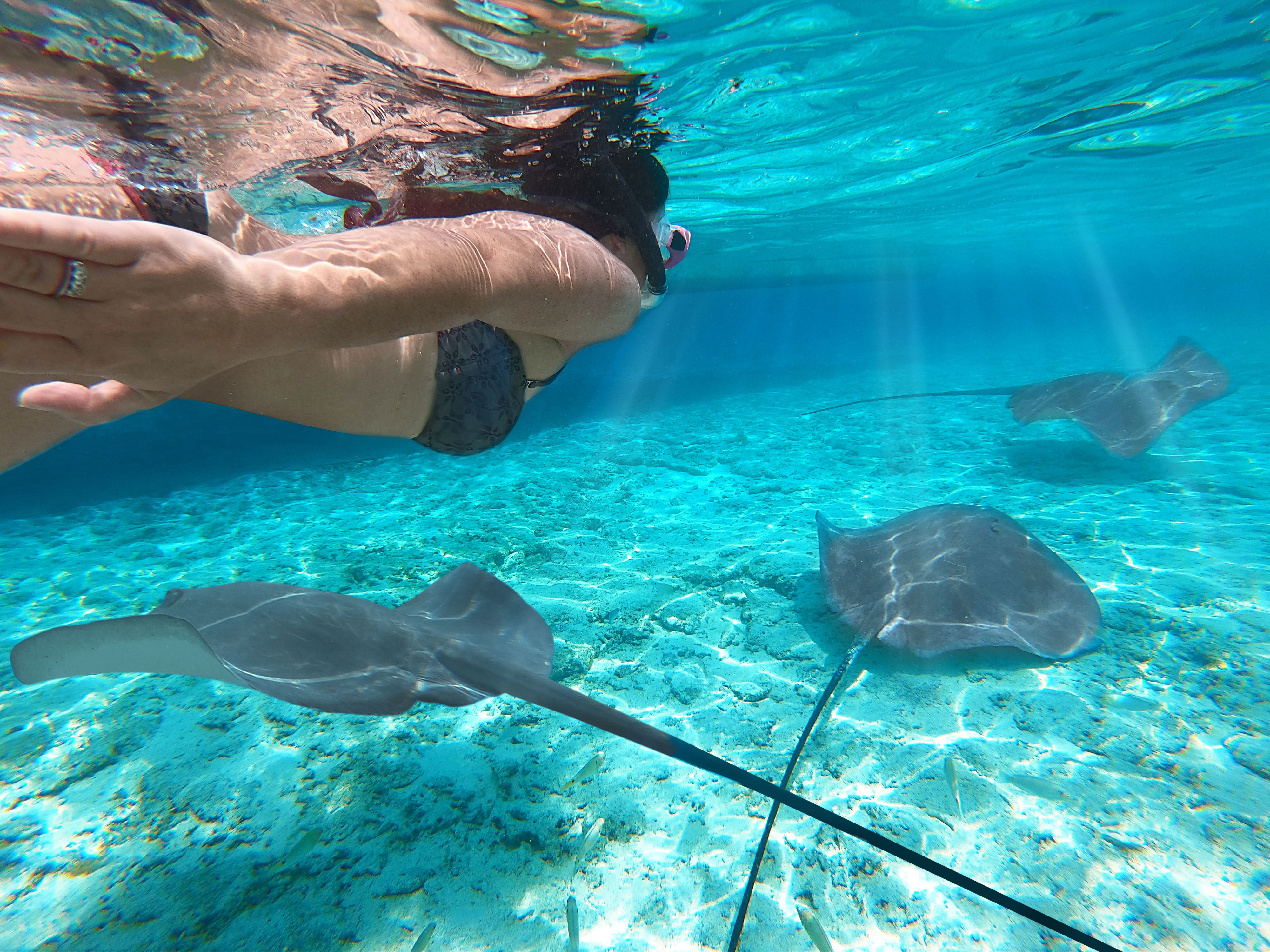
Choosing the right tour for your comfort level
Where you start and how you travel changes the whole day. Many people see mantas on trips around the Nusa islands, where water can be clearer and wildlife encounters are more common. If you are weighing options, look for an operator that briefs well, keeps groups small, and provides flotation.
You may see several booking phrases that sound similar, but signal different routes or expectations:
- manta ray snorkeling is often used as a general label for manta-focused snorkelling, so ask which sites they visit and how long you stay in the water.
- snorkeling with manta rays in Bali usually means a day built around the manta chance first, with other snorkel stops added if conditions allow.
- If you see swimming with manta rays in bali, confirm the guide manages spacing so mantas can approach naturally without being surrounded.
- If an itinerary highlights manta tour Nusa Penida, ask about currents and whether the guide enters the water with the group.
- Some packages are marketed as a manta ray tour Bali from the mainland, which can involve longer travel, so confirm the total time on the boat.
- If you are comparing a nusa penida manta snorkeling tour, check whether it is private or shared, because crowding can change the experience.
Choose a tour that matches your confidence, not your ego. If you prefer a gentler day, pick fewer stops and more guidance. If you are experienced, you can choose a faster pace. Either way, the goal is to feel relaxed enough to appreciate the moment.
In-water technique that makes the day easier
Most people feel unsteady because they are over-kicking or holding tension in their shoulders. Start by floating and breathing slowly. Keep your head low, look down, and let the water hold you up. If you feel anxious, roll onto your back for a few breaths. That reset can make a big difference.
Use flotation without embarrassment. A life jacket, noodle, or float ring helps you conserve energy and keeps you higher in the water, which improves your view. It also makes it easier to stay still, which is what you want when mantas pass by. If you are using fins, take short, controlled kicks rather than fast fluttering.
If the site has surge or current, stay close to the guide and follow the plan. Never separate from the group to "get a better angle". The best photos are the ones you get safely. Your job is to be calm and predictable in the water.
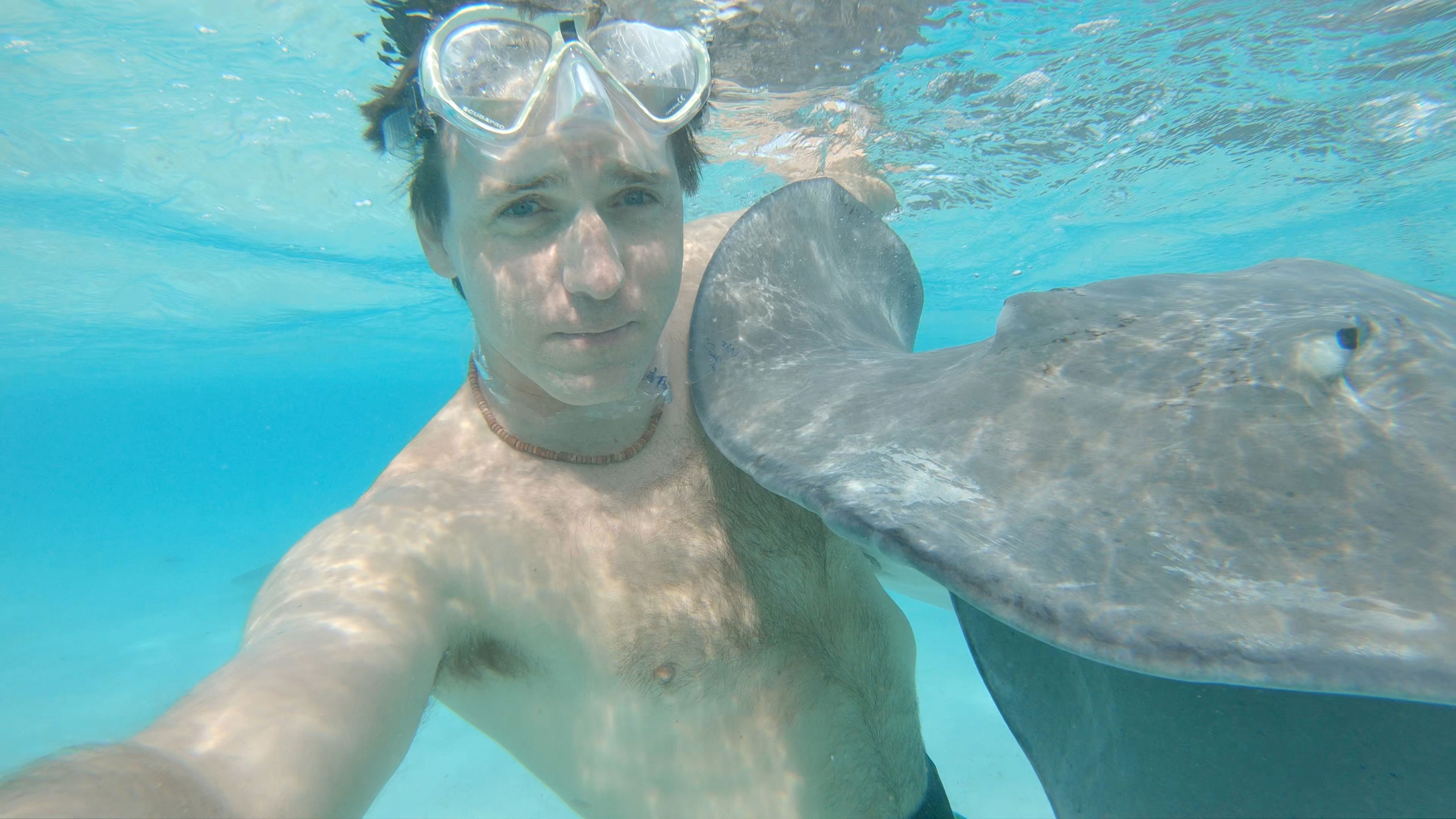
Timing, conditions and what is realistic
Manta encounters are never guaranteed. Some days mantas appear quickly and stay close, while on other days you may enjoy reef life without seeing a manta at all. Framing the experience as a full snorkeling outing, rather than a single objective, helps keep expectations realistic and the day enjoyable.
Visibility depends on swell, wind, and plankton levels. Plankton can reduce water clarity, but it also attracts mantas, which is part of the natural balance. This is why memorable encounters can happen even when conditions are not perfectly clear. Nature does not operate on a fixed schedule, and flexibility is key.
When researching, you may come across terms like manta rays snorkeling Bali, which can make it seem as though mantas are always present. In reality, specific sites and daily conditions affect the chances. A responsible operator will assess conditions on the day, choose the most suitable location, and explain alternative plans if the sea becomes rough.
Simple photography and etiquette tips
Underwater photos look best when the subject is calm and the shooter is steady. Before you enter the water, set your camera or phone housing so you are not fiddling at the surface. In the water, avoid sudden movements. Let the manta come to you, and keep your arms close so you are not flailing.
If you want a memorable shot without stress, focus on the experience, not the perfect angle. A short clip of a manta gliding past often tells the story better than a shaky photo taken while you are kicking hard.
Finally, respect other people. Do not swim over someone to get closer. A good encounter feels shared, not competitive.
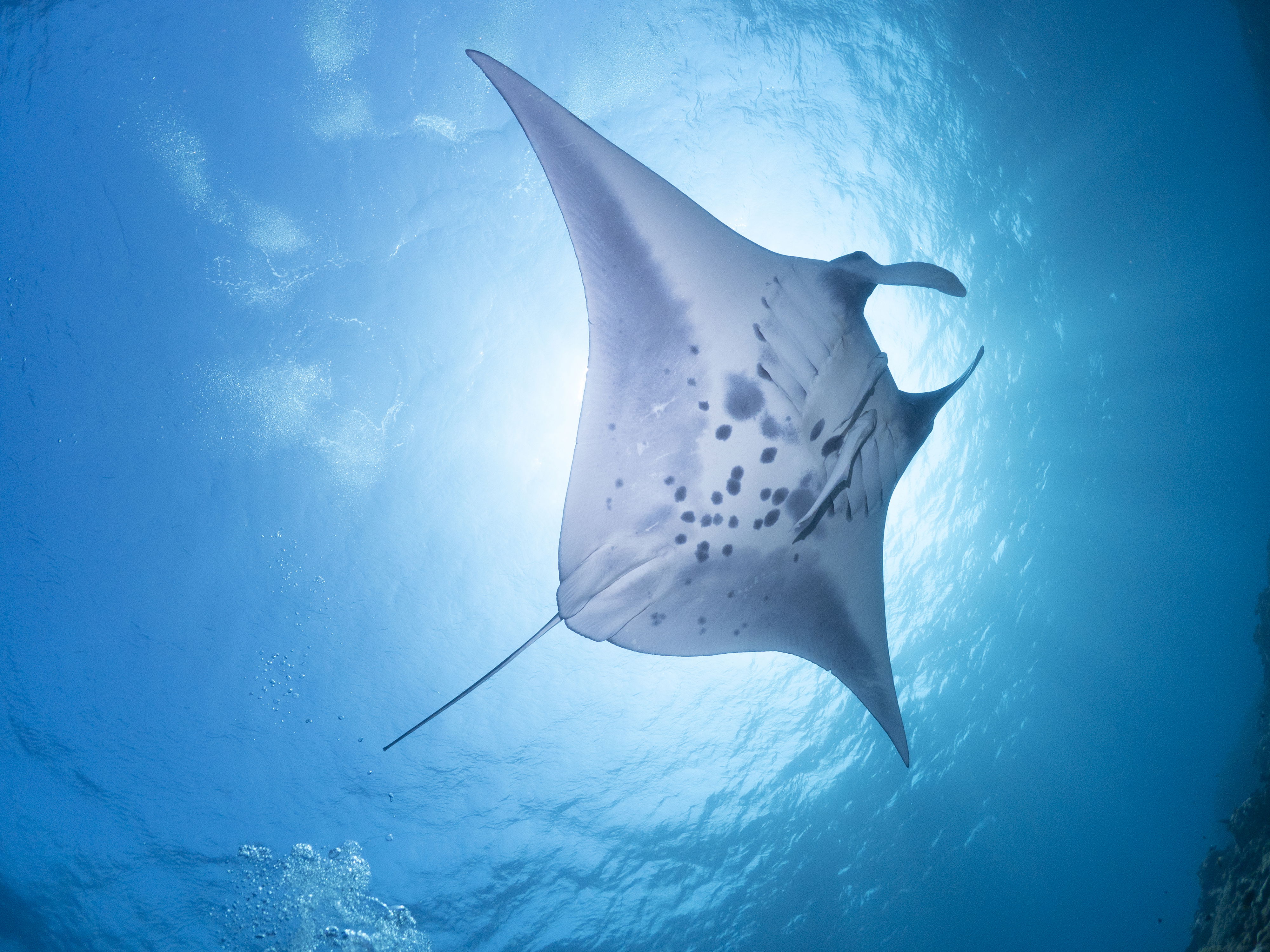
Conclusion
When it is done with care, manta snorkeling can be a gentle, awe-filled highlight of a Bali trip. Pick an operator that prioritises safety, keep your movements slow, and follow the guide's positioning rules. You will feel calmer, the group will stay together, and the mantas will have space to move naturally. If you want help choosing a tour that suits your pace, Captain Yin Yang can point you to the right option.
FAQ
Is it safe if I am not a strong swimmer?
It can be, if you choose a calm day and use flotation. Book with a guide who enters the water with the group and keeps an eye on everyone.
What should I do if I feel nervous in the water?
Roll onto your back and take slow breaths, then signal your guide. Most anxiety passes quickly once you stop kicking and float calmly.
Are mantas dangerous?
No, they are not aggressive. The main risks come from conditions like current and swell, so always follow the briefing and the guide's instructions.