Bali boat tours for snorkeling and fishing: how to choose the right trip
Bali boat tours are one of the best ways to experience the island from the water, especially when the focus is on snorkeling and fishing rather than sightseeing. A well-run boat trip gives you direct access to reefs, fishing areas, and open water that cannot be reached from shore, while allowing you to enjoy these activities in a controlled and supported environment.
Unlike sightseeing cruises or island-hopping routes, snorkeling and fishing boat tours are activity-based. The structure of the day, the type of boat, and the crew’s role are all designed around time in the water and safety at sea. Choosing the right tour means understanding how these elements come together.
The key is selecting a trip that matches your comfort level, the activity you want to focus on, and the conditions on the day. Two tours with similar names can feel completely different once you are on board. This guide explains what to expect from snorkeling- and fishing-focused Bali boat tours, how to evaluate operators, and which details matter most for a smooth and enjoyable day.
What to expect on Bali boat tours
Most snorkeling and fishing tours start early in the morning, when the sea is calmer and conditions are more predictable. Guests typically meet at a harbour or beach, receive a safety briefing, and then travel by boat directly to the activity areas.
These tours are water-focused by design. Instead of stopping at viewpoints or following sightseeing routes, the schedule is built around selected snorkel sites or fishing grounds. The goal is to maximise quality time in the water while keeping the pace comfortable and well managed.
Boat type plays an important role. Faster boats reduce travel time and allow more flexibility in choosing locations, but they can feel bouncy in choppy conditions. Larger boats tend to feel more stable and offer more deck space, shade, and storage, though they may take longer to reach the sites. If you are prone to seasickness, details like shade, airflow, seating layout, and clear timing become especially important.
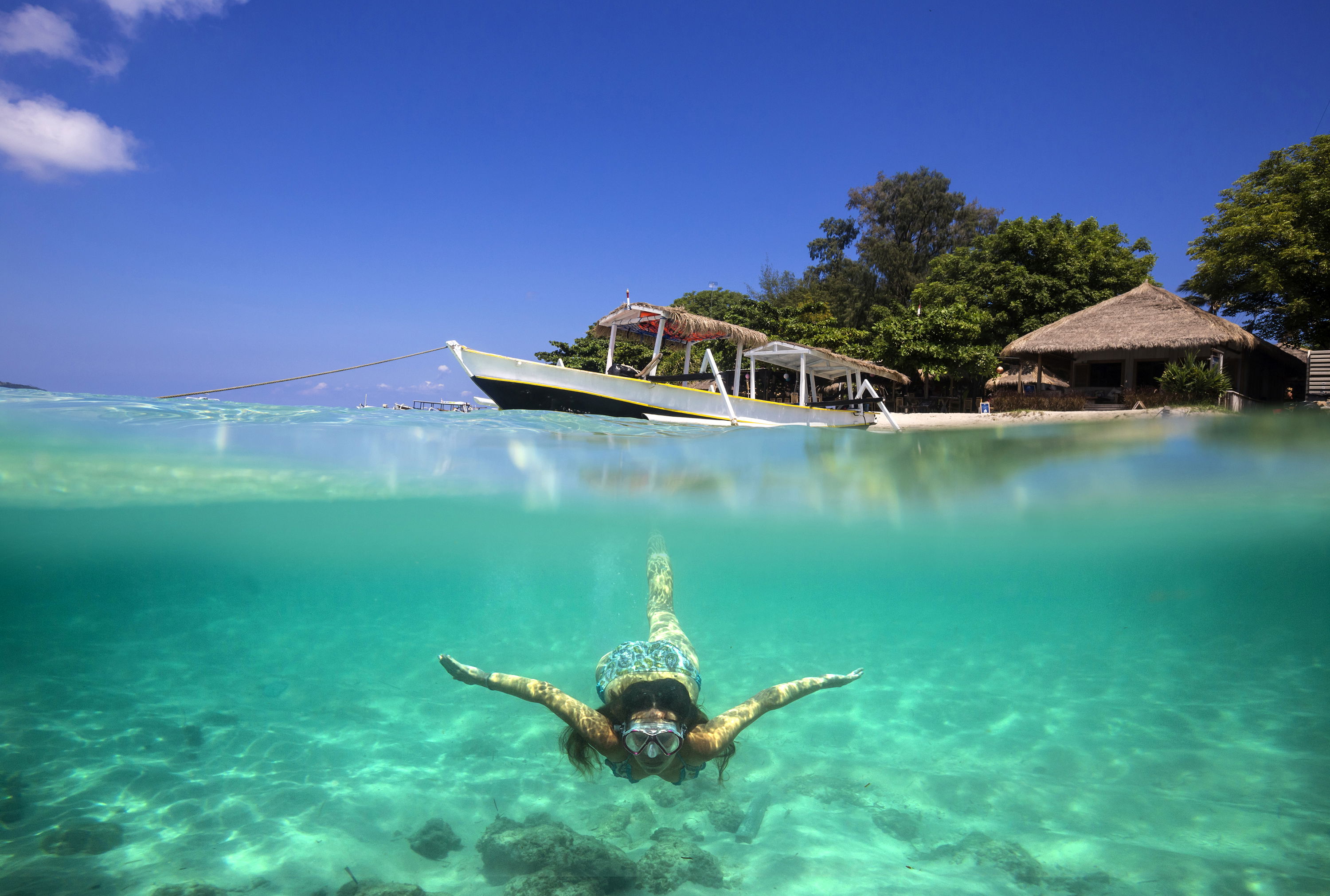
Routes, day styles and how to choose
When comparing Bali boat tours, look beyond the tour name and focus on how the day is structured.
Some key distinctions to consider:
- Snorkeling-focused tours prioritise reef quality, water clarity, and safe entry and exit points. The crew’s attention is on group positioning, flotation, and monitoring swimmers.
- Fishing-focused tours are planned around fishing grounds, currents, and target species. The crew focuses on line handling, deck safety, and adapting techniques such as trolling, jigging, or bottom fishing.
- Some operators offer combined snorkeling and fishing trips, while others keep the activities separate for better flow and safety.
Common labels can be misleading:
- Bali boat tours is often a broad term — always confirm which activities are actually included.
- Nusa Penida boat tour may involve longer travel times and stronger currents, which are important considerations for snorkelers.
- Private boat hire Bali can offer flexibility, but safety standards, crew support, and inclusions should be clearly confirmed.
Always ask how much of the day is spent actively snorkeling or fishing versus travelling between locations.
Safety signals that matter
Safety is far more than providing life jackets. A professional operator should clearly explain how decisions are made based on swell, wind, and current, and should be comfortable adjusting plans or cancelling when conditions are unsafe.
Before departure, you should receive a briefing that covers:
- Entry and exit procedures for the water
- Group positioning and signals
- What to do if someone drifts or feels uncomfortable
On snorkeling tours, crew members should actively track swimmers and manage spacing. On fishing trips, they should explain deck movement, hooks, and rod handling to avoid accidents.
Practical essentials such as shade, drinking water, first aid equipment, and flotation aids are not extras — they are basic indicators of a well-run tour.

What to bring for a smooth day on the water
Packing well makes a noticeable difference to your comfort. Keep things simple and functional:
- Reef-safe sunscreen
- Hat and sunglasses
- Towel and dry bag
- Rash vest or light layer for the boat ride
If you are prone to seasickness, take medication before boarding. Even calm seas can feel different once you are offshore, especially on longer fishing routes.
Bringing your own mask can improve comfort, particularly if you have a smaller face or are sensitive to leaks.
Crowds, timing and comfort
If you want Bali boat tours to feel relaxed, timing matters. Earlier departures often mean calmer water, fewer boats at popular sites, and a more unhurried start to the day. For groups that prefer a slower pace, choosing fewer locations with longer water time is often better than trying to fit in multiple short stops.
Comfort is also about how the crew manages people. Ask how swimmers are grouped, whether flotation is available, and how mixed ability levels are handled. A good operator supports beginners without restricting confident guests, creating a balanced experience for everyone.
Environmental awareness matters too. Avoid feeding fish, keep fins clear of coral, and use reef-safe sunscreen. These small habits protect the reefs and help preserve the quality of future tours.
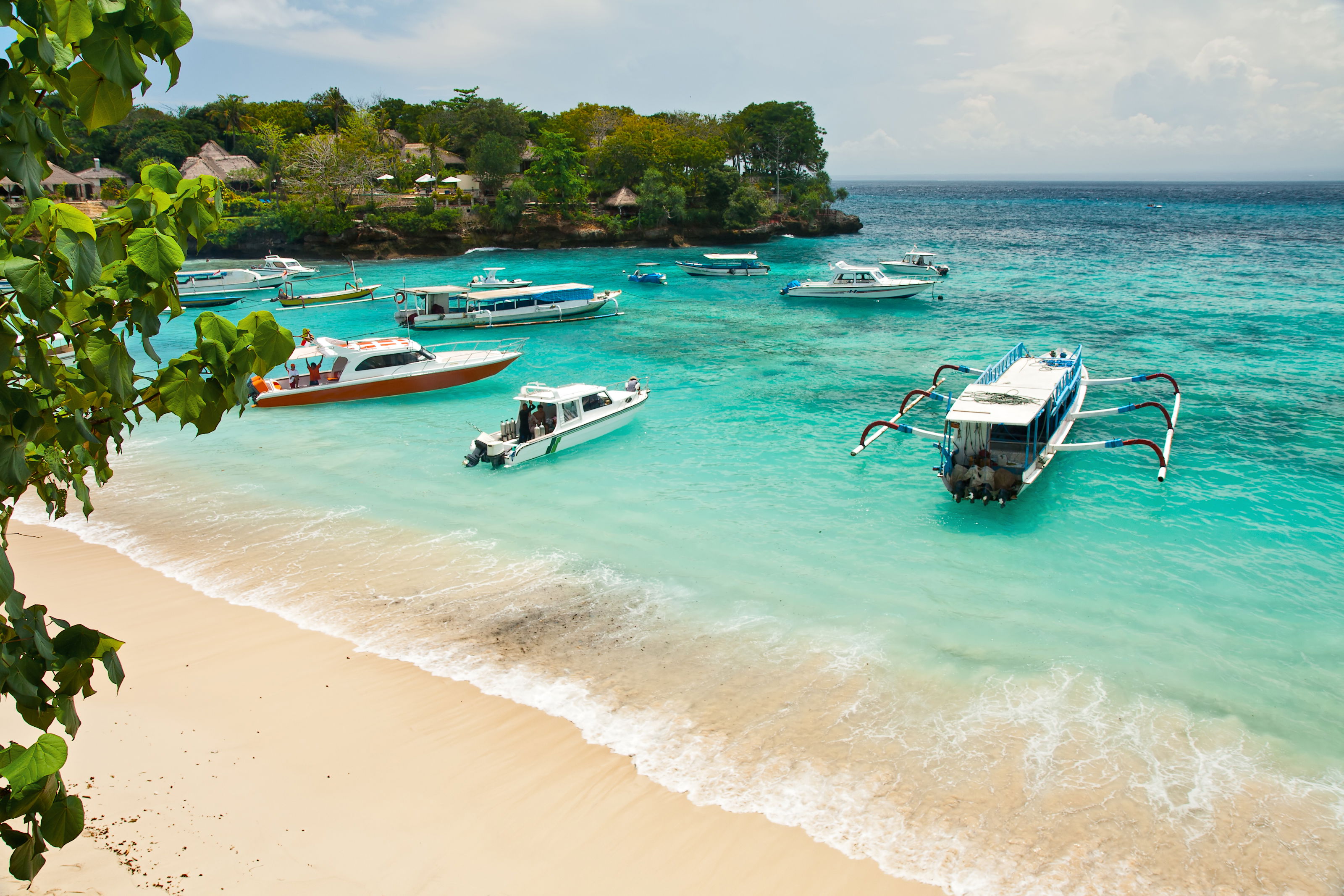
Turning the tour into a complete island day
Some snorkeling and fishing routes are designed as part of a broader Nusa Lembongan day trip, combining water time with a short break for food or rest. If this is important to you, confirm how much time is actually spent on land, as “island time” can sometimes be brief.
If your priority is being in the water, ask for a plan with fewer interruptions and more focused snorkeling or fishing time. There is no universal best itinerary — the right choice depends on your pace, your group, and the conditions on the day.
Conclusion
Bali boat tours deliver their best experiences when they are clearly focused on snorkeling and fishing, with safety, comfort, and realistic expectations at the centre of the day. Choosing an operator who communicates clearly, adapts to conditions, and structures trips around meaningful time on the water makes all the difference.
When expectations are aligned, the result is a relaxed and memorable day at sea — not a rushed or confusing one. If you want guidance in choosing the right snorkeling or fishing boat tour, Captain Yin Yang can recommend an option that suits your pace, experience level, and priorities.
FAQ
What if the sea is rough on the day?
A responsible operator will change the plan, adjust locations, or cancel if needed. Booking early in your stay gives you flexibility.
Are these tours suitable for beginners?
Yes, if you choose a calm day and an operator that provides guidance and flotation options.
Is snorkel gear included?
Often yes, but fit can vary. Bringing your own mask can improve comfort.


